Heather’s Guide to Nashville
-
Civil Rights Movement in Nashville
•
Nashville played a major role in the Civil Rights Movement, especially during the early 1960s. Students from Fisk University, Tennessee State University, and other colleges led organized sit-ins at segregated lunch counters downtown. These peaceful protests were part of a coordinated effort to challenge segregation laws. Civil rights leader James Lawson trained students in…
-
Country Music Hall of Fame
•
The Country Music Hall of Fame and Museum preserves the history and legacy of country music and its most influential artists. Founded in 1961, it began as a small exhibit space dedicated to honoring musicians who shaped the genre. The current downtown Nashville building opened in 2001 and features exhibits, instruments, recordings, and artifacts…
-
Broadway Street Evolution
•
Broadway Street in downtown Nashville has transformed from a quiet commercial district into one of the most famous entertainment streets in the world. In the early 1900s, Broadway was filled with small businesses, hotels, and shops serving locals and travelers. By the mid-20th century, honky-tonk bars began taking over the street, turning it into…
-
The Grand Ole Opry Origins
•
The Grand Ole Opry is the longest-running live radio show in American history and one of the most influential forces in country music. It began in 1925 as a radio broadcast called the “WSM Barn Dance” in Nashville, Tennessee. Originally, it featured local musicians performing folk, gospel, and early country music. The show quickly…
-
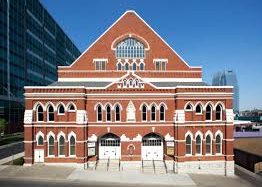
Ryman Auditorium History
•
The Ryman Auditorium is one of the most important and iconic music venues in American history, often called the “Mother Church of Country Music.” Located in downtown Nashville, Tennessee, it originally opened in 1892 as the Union Gospel Tabernacle, built by riverboat captain Thomas Ryman after a powerful religious conversion experience. Although it was…